


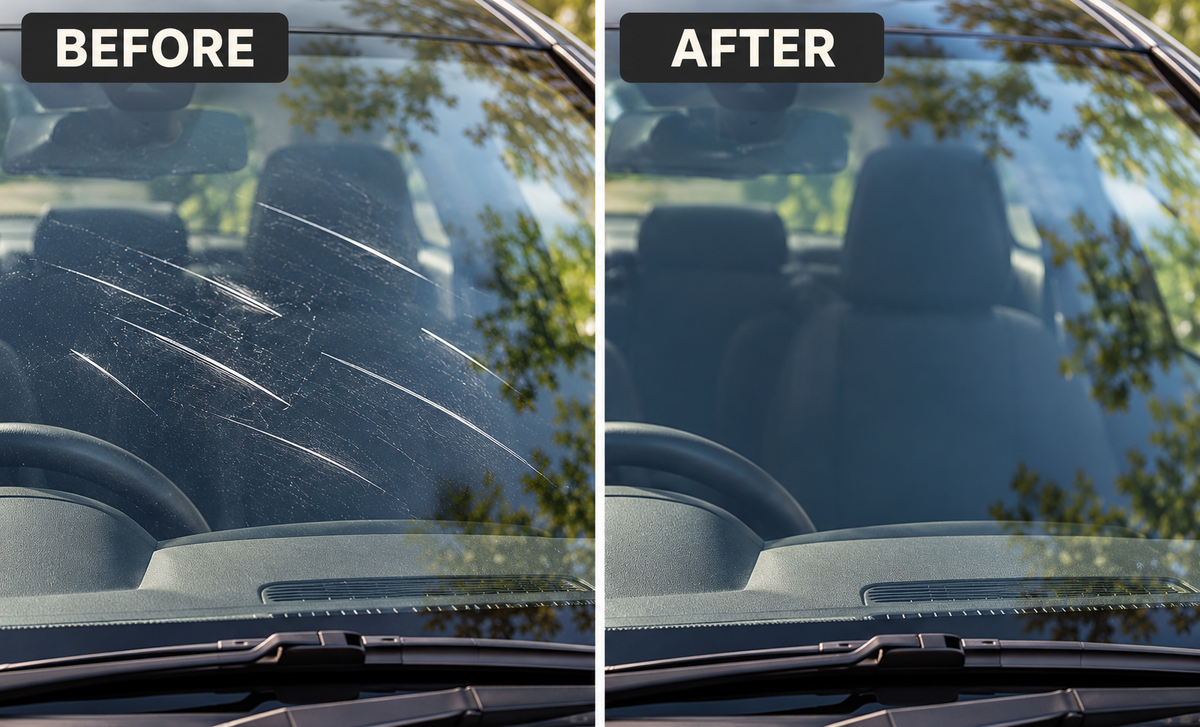
Car glass
Fine surface marks can catch the light. Vehicle glass needs the correct approved treatment; cracks and chips require professional repair.
Spend Rs. 50 more to get FREE shipping!
Give light scuffs a little care.
Couldn't load pickup availability


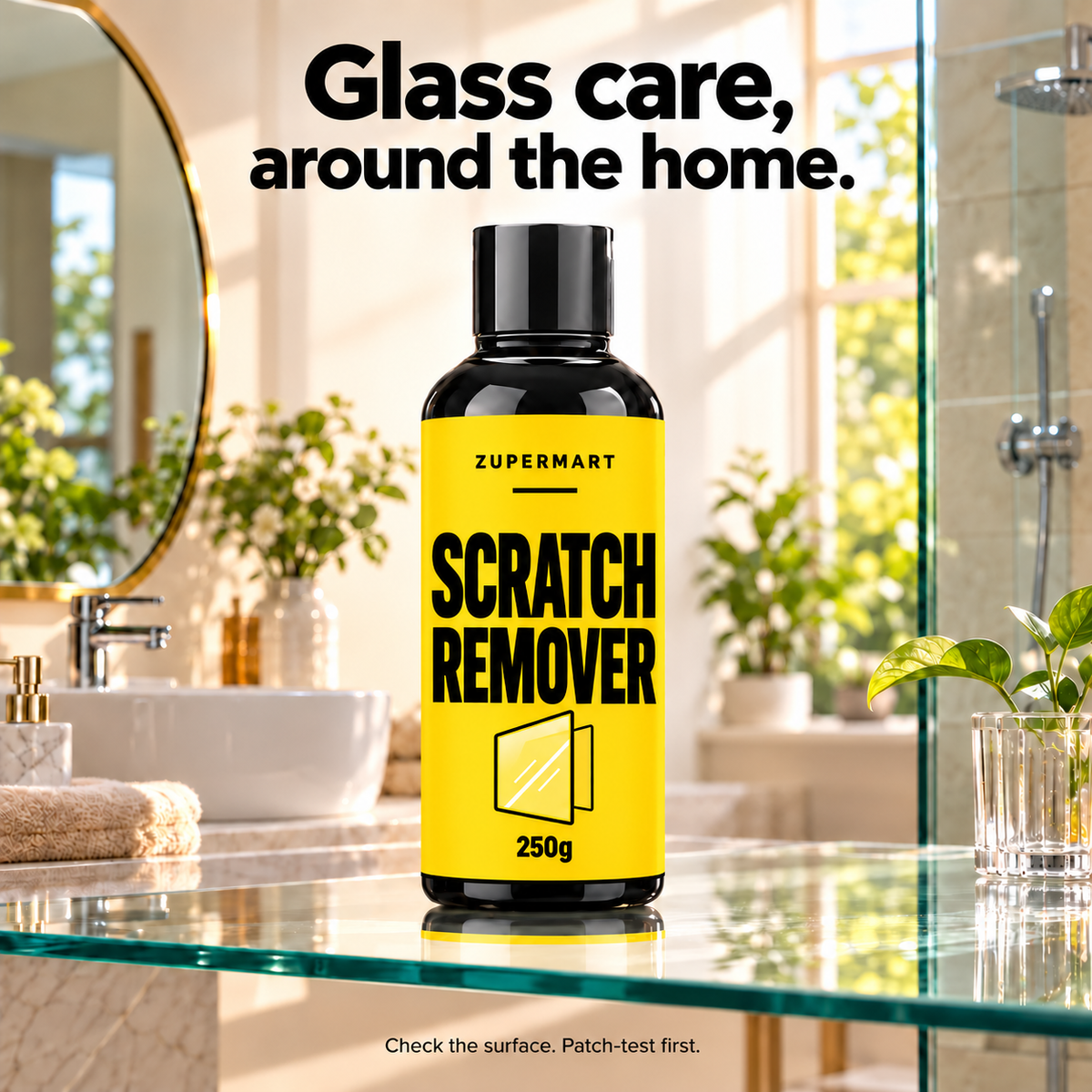
EVERYDAY GLASS CARE
Help improve the appearance of light surface marks on suitable glass. A careful routine for the everyday things you want to keep looking their best.
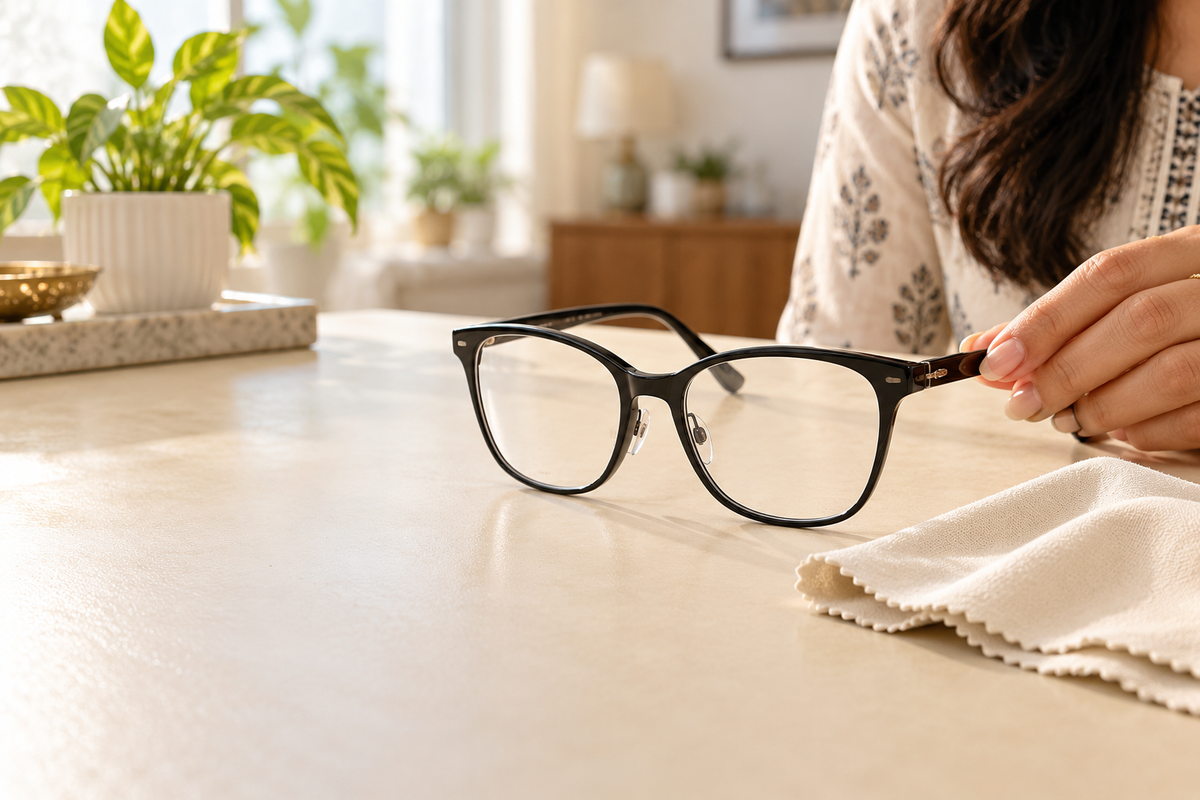
Eyewear lenses and coatings require explicit manufacturer approval before polishing.
Fine surface marks can catch the light. Vehicle glass needs the correct approved treatment; cracks and chips require professional repair.
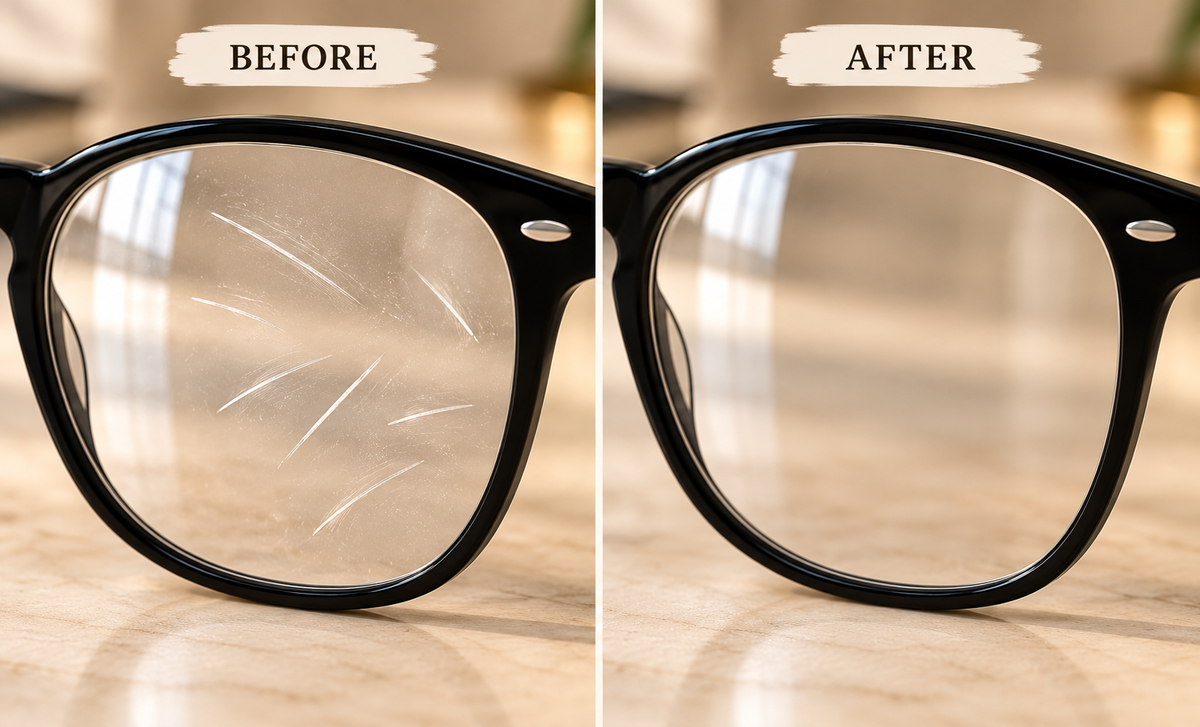
Small marks on lenses can be frustrating. Confirm the lens material and coatings with the optician before using any polish.
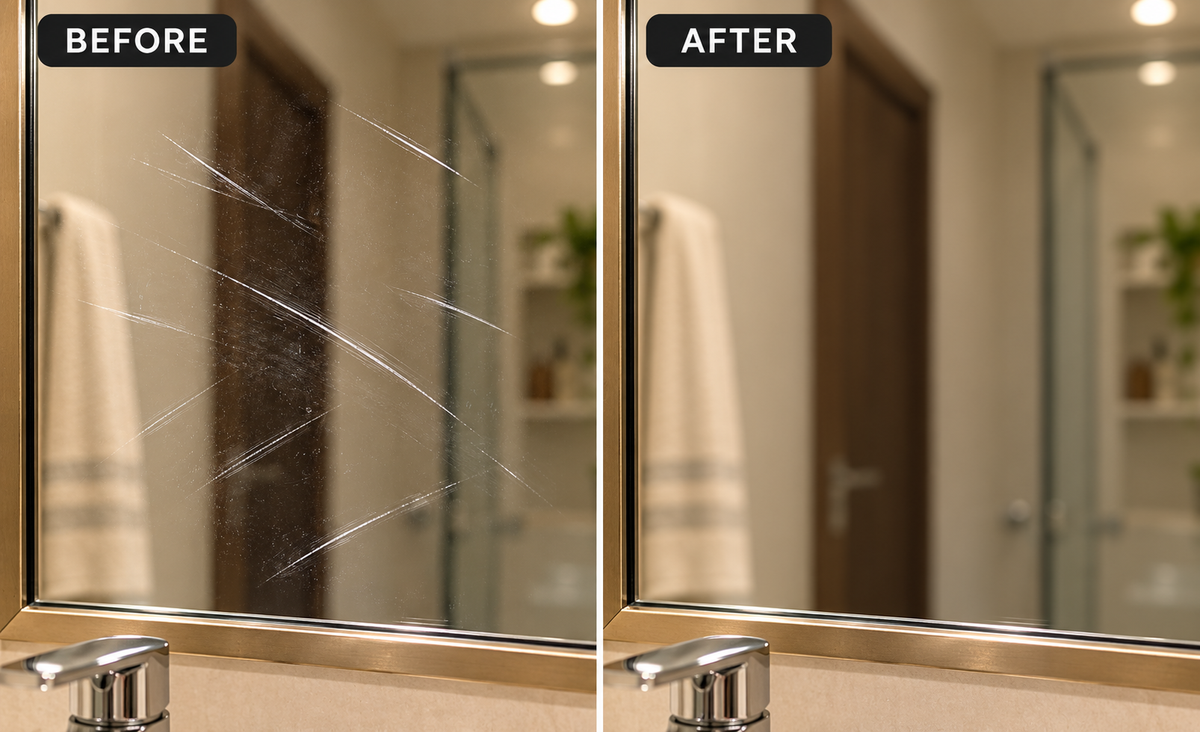
Light marks can interrupt a familiar reflection. Treat only compatible front glass; damaged backing and deep scratches need a different solution.
FAMILIAR OBJECTS. FAMILIAR MARKS.
Illustrative before/after comparisons, not measured product results.
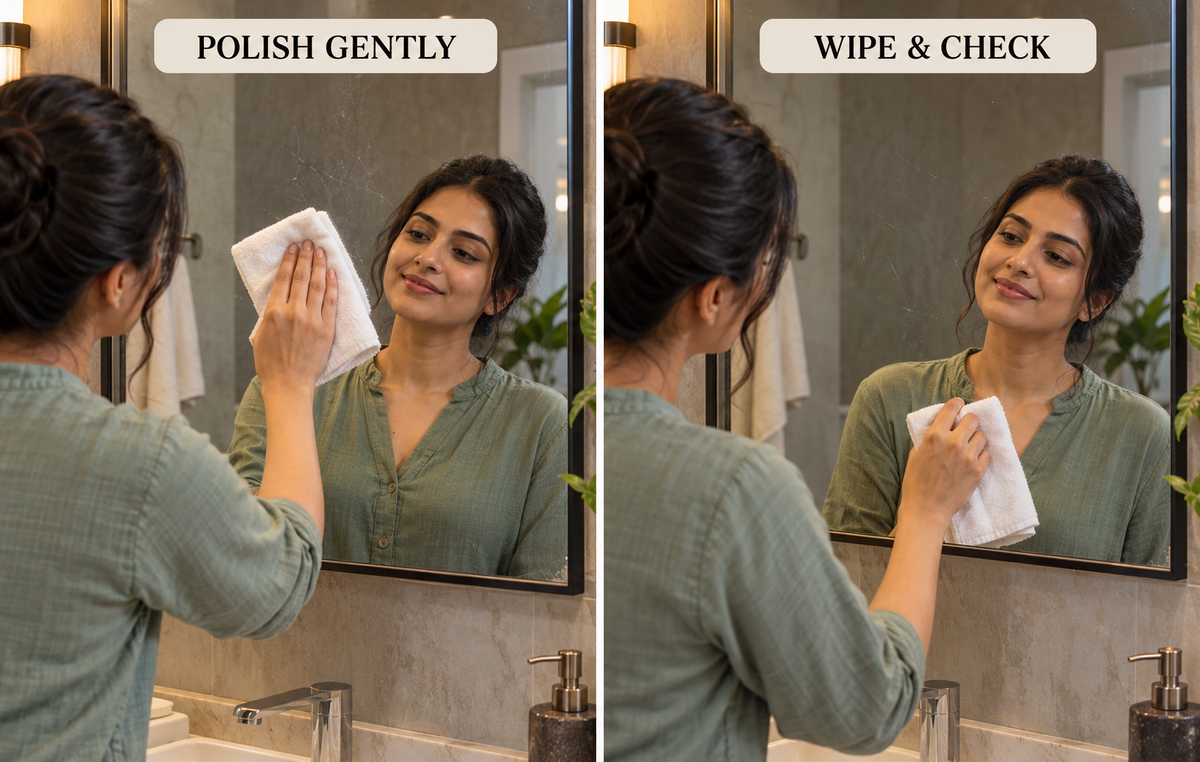
GLASS CARE, MADE FAMILIAR
Illustrative care demonstration. Start with a small, compatible area. Work gently with a soft cloth, then wipe away residue and inspect the glass before continuing.
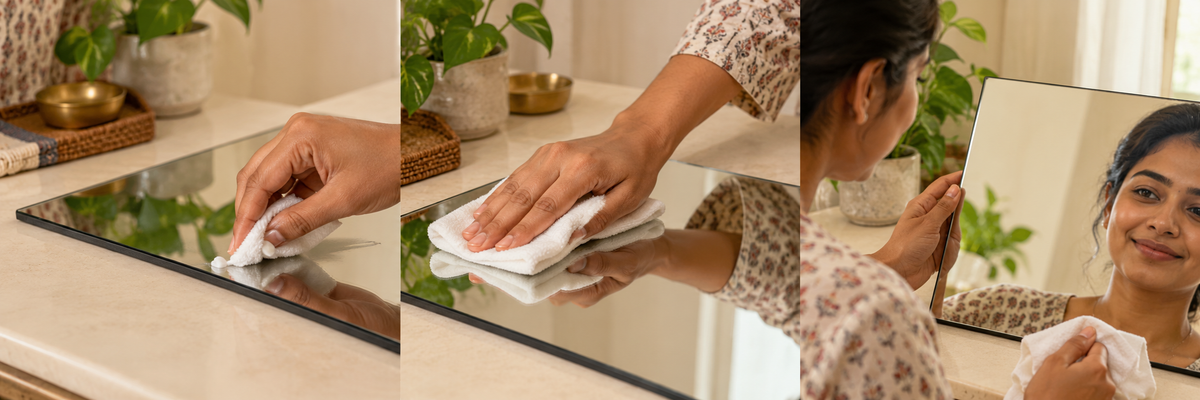
Confirm that the glass and any coatings are approved for polishing. Clean away loose dirt, then patch-test a small hidden area.
On approved glass, follow the package directions with a clean, soft cloth and gentle pressure.
Remove residue with a fresh cloth. Inspect the glass under normal light before repeating any treatment.
YOUR AT-HOME GLASS ROUTINE
Large action images make each step easy to follow. Always follow the directions and precautions on your package.

AROUND THE HOME
Start with the exact surface and finish. These everyday examples help you check where a glass-care routine may fit.
Light front-surface marks on approved mirror glass.
Check protective and water-repellent coatings first.
Only where the furniture maker permits polishing.
Confirm the glass type, film and surface treatment.
Surface suitability guide
Two items that look alike can have different coatings. Eyewear, a windshield or a bathroom mirror is not automatically compatible.
Check whether it is bare, coated, plated or painted.
The polish label and the item's care instructions must allow polishing.
Proceed only if the patch test is suitable. Stop if the finish changes unexpectedly.
Choose the right routine
| Detail | Dry, soft-cloth wipe | Scratch repair polish |
|---|---|---|
| Purpose | Everyday surface wiping | Appearance of light scuffs and dullness |
| Product used | Cloth only | A small amount of polish with a soft cloth |
| Routine | Wipe as the item's care guide permits | Check, apply, buff, wipe and inspect |
| Before use | Follow the item's care guidance | Check compatibility and patch-test first |
| Deep damage | Does not repair cracks or gouges | Not a repair for cracks, gouges or missing coating |
Before you begin
No. It is intended to help improve the appearance of light surface marks on compatible materials. Results depend on the material, finish and depth of the scratch.
It is not a filler for deep gouges, a crack repair or a replacement for a damaged coating. Seek appropriate repair advice for those conditions.
Only where both the product label and the item’s care instructions explicitly permit it. Lens materials, glass treatments and coatings vary. Get explicit approval for the exact surface, then patch-test as directed.
Do not assume compatibility. Use only if the polish label and the item manufacturer explicitly approve it for that exact surface and coating.
The current product listing specifies one polishing paste and one sponge. Follow the supplied package for the product’s directions, net content and date information.
Keep the container properly closed and follow the storage precautions and date information on its label. Keep it away from children.
Care for the pieces you keep
A straightforward polishing routine for suitable surfaces. Start with a patch test and work gently.